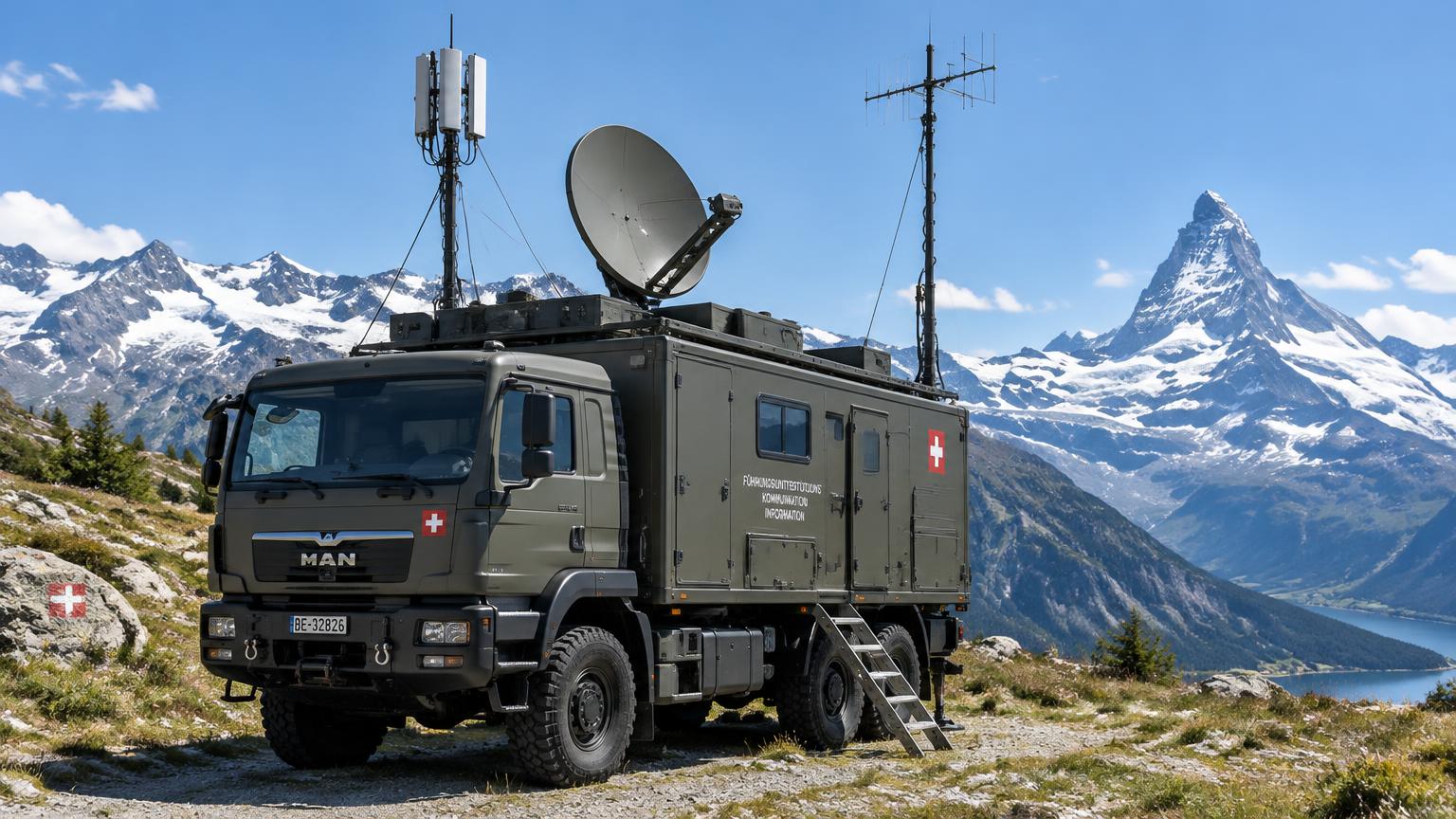
In humanitarian aid, time is the most precious resource. When crisis strikes—natural disasters, conflict, or health emergencies—the speed of assistance determines outcomes for thousands. Central to this is equipment pre-positioning: placing critical supplies and technology in strategic locations before they are needed.
Pre-positioning is a calculated investment in resilience. By reducing transport distances, organizations establish operations hours or days sooner. This proactive approach allows responders to bypass the initial logistical chaos that follows a major event, ensuring that aid reaches those in need with maximum efficiency.
This article explores the mechanics of pre-positioning, the role of strategic hubs, and the impact of technology on global readiness.
The Logistics of Strategic Readiness
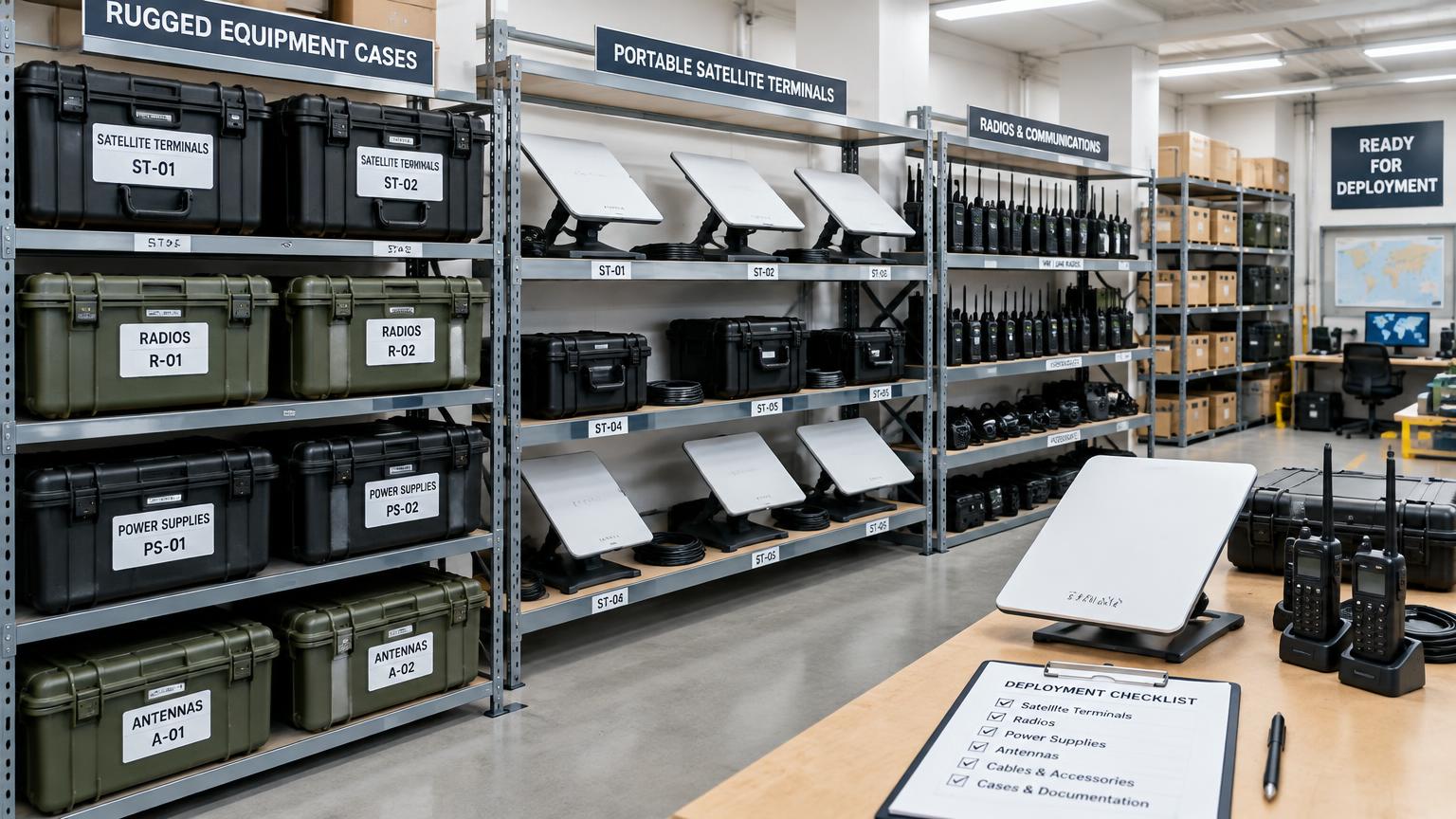
Pre-positioning requires a sophisticated understanding of supply chains and transportation corridors. Organizations must identify the "golden hour"—the critical period for effective intervention—and design networks to meet it. Choosing what to pre-position is as vital as where to place it. For communication providers, this means readying satellite terminals, solar kits, and networking gear.
These high-value items require climate-controlled storage and regular maintenance. Collaboration between governments, NGOs, and the private sector is essential. Shared warehouses and joint logistical agreements pool resources, creating a robust safety net that no single entity could maintain alone. This cooperative model reduces individual costs while expanding the geographic reach of emergency stockpiles.
Identifying and Managing Strategic Hubs
Selecting locations for hubs is a science. Centers must be near major transportation nodes—airports or ports—yet in regions stable enough to avoid the disasters they address. Management requires continuous oversight; inventory levels must be monitored in real-time, and supplies rotated to prevent obsolescence. Software updates and battery health are critical factors in readiness.
Geographical placement accounts for regional vulnerabilities, such as hurricanes in the Caribbean or floods in Asia. Political stability is equally vital; a hub in a country that closes borders during a crisis is useless. Legal frameworks like customs agreements ensure goods move across borders quickly without bureaucratic delays.
Modern hubs often function as multi-modal logistics centers, capable of transitioning cargo from international air freight to local barge or truck networks without delay. This versatility is crucial when major airports are damaged or inaccessible. By diversifying transport options, agencies ensure that even if one path is blocked, alternatives are available, maintaining the flow of hardware.
Inventory Optimization and Technology
Modern inventory systems use predictive analytics to forecast demand based on historical data. This prevents overstocking while ensuring critical gear is available. Smart tracking like RFID and GPS provides real-time visibility, allowing headquarters to track every piece of equipment from the hub to the field site.
Risk Assessment and Site Selection
Selecting a hub involves rigorous risk assessments, including seismic activity, flood plains, and socio-political climate. A well-placed hub serves as a regional anchor, providing not just equipment but also a staging ground for coordinated international response efforts.
Capacity Building: Beyond the Hardware
Equipment is only useful if local teams know how to use it. Training local partners ensures they can set up links before international teams arrive. Maintenance is another pillar; gear requires regular testing, battery charging, and firmware updates. A dedicated team must ensure every satellite terminal locks onto a signal within minutes of deployment.
Standardized training allows local responders to work seamlessly with international workers. Regular simulation exercises identify bottlenecks and refine plans in low-stakes environments. Strategies also include lifecycle management for hardware replacement, ensuring responders always use reliable, modern technology.
Digital literacy programs for local technicians bridge the gap between advanced hardware and ground-level execution. These sessions ensure that technical sovereignty remains with the local team, reducing reliance on external specialists.
Community Engagement and Local Ownership
True preparedness involves the local community. By involving local technicians in the maintenance process, organizations foster a sense of ownership and ensure that the equipment remains operational long after the initial crisis has passed.
The Cost-Benefit of Preparedness
While pre-positioning requires upfront investment, long-term savings are substantial. Emergency airlifts are expensive and weather-dependent; pre-positioned gear moves via affordable ground or regional transport. Faster recovery also reduces the overall economic impact on communities.
Donors recognize this value, viewing pre-positioning as a high-impact investment that maximizes the effectiveness of every dollar. It represents a shift from reactive spending to strategic risk management, accelerating recovery and saving lives through readiness.
Conclusion
Pre-positioning is vital for emergency response, saving lives by shortening the gap between crisis onset and aid arrival. It demonstrates the power of strategic planning and a commitment to global readiness.
LEVIN'S SWISSLOGISTICS International leads in communication readiness. We provide end-to-end pre-positioning solutions, from secure warehousing to state-of-the-art satellite deployment, ensuring you are always prepared to respond.