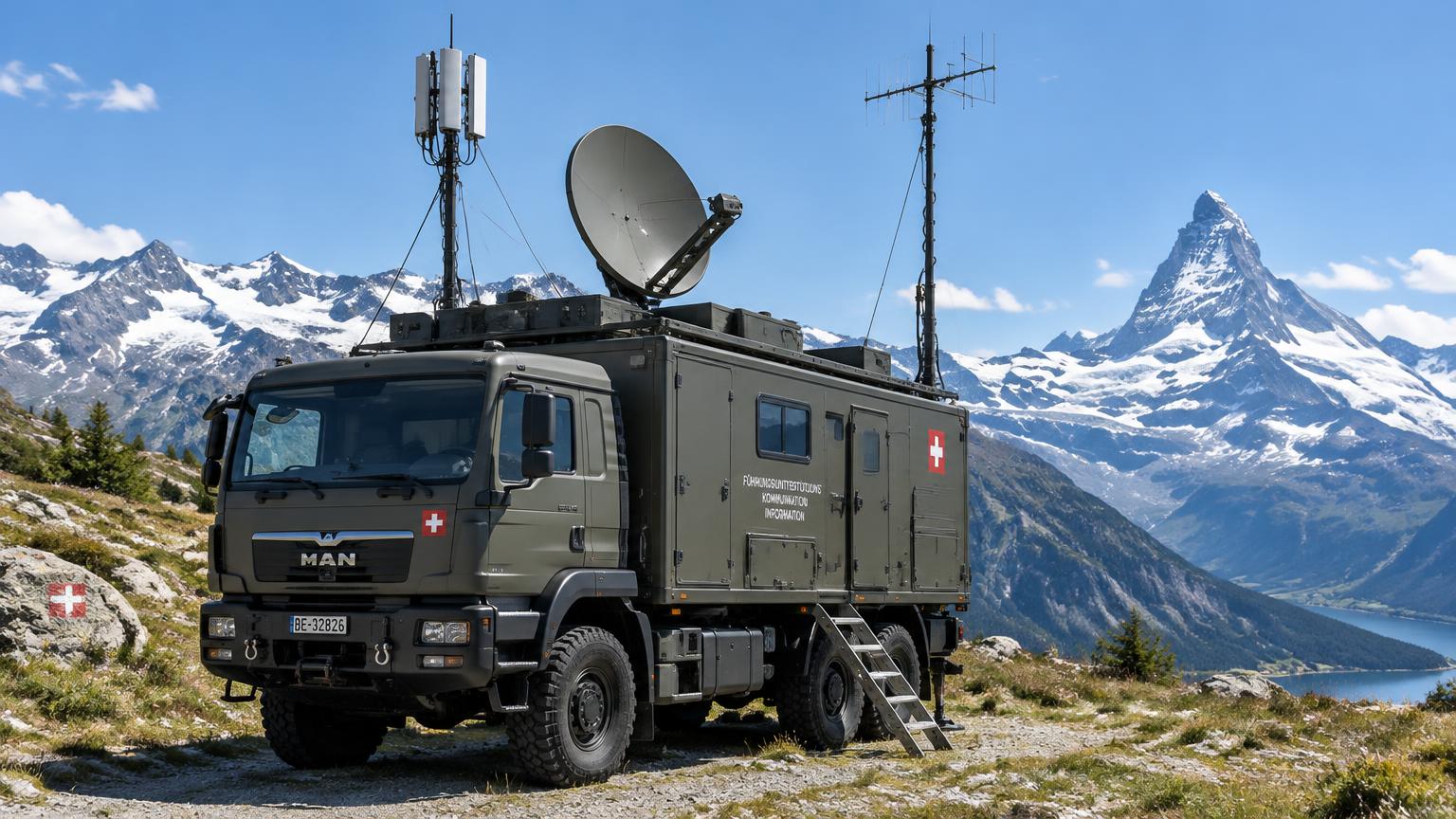
In today's interconnected world, satellite communication serves as the backbone for critical operations in regions where terrestrial infrastructure is either non-existent or compromised. For non-governmental organizations (NGOs) and government agencies, the ability to transmit data securely across these networks is not just a technical requirement but a fundamental necessity for mission success and personnel safety.
The unique architecture of satellite systems, involving ground stations, space segments, and user terminals, presents a distinct set of security challenges. Unlike localized wired networks, satellite signals are broadcast over vast geographical areas, making them theoretically susceptible to interception if not properly protected. This article examines the core principles of satellite data security and the strategies organizations must employ to safeguard their digital assets.
Robust Encryption: The First Line of Defense
The primary method for protecting data over satellite links is encryption. Modern networks rely on advanced algorithms like AES-256 to ensure that even if a signal is intercepted, the information remains unreadable to unauthorized parties. For NGOs handling sensitive health data or governments transmitting strategic directives, end-to-end encryption is the gold standard, protecting data from the moment it leaves the source until it reaches the intended recipient.
Implementing encryption requires careful management of cryptographic keys. If keys are compromised, the entire security framework collapses. Organizations must adopt automated key rotation and secure storage solutions to mitigate this risk. Furthermore, the overhead introduced by encryption—while negligible on modern high-speed links—must be considered when planning for low-bandwidth environments to ensure that security does not come at the cost of operational efficiency.
Securing the Terrestrial Gateway
While the satellite itself is often the focus, the ground stations that connect the space segment to the internet or private networks are frequently the most vulnerable points. These facilities must be protected against both physical and digital intrusions to maintain the integrity of the entire communication chain. Securing these gateways involves a combination of strict access controls, continuous monitoring, and rigorous firewall configurations.
Physical Infrastructure Protection
Physical security for ground stations includes perimeter fencing, biometric access controls, and 24/7 surveillance. In conflict zones or politically unstable regions, these facilities must also be hardened against physical damage. Redundant power supplies and environmental controls are also critical to prevent outages caused by infrastructure failure and ensuring that the physical site remains a secure anchor for the network.
Cybersecurity and Network Hardening
Digital protection of ground stations requires sophisticated Intrusion Detection Systems (IDS) and Intrusion Prevention Systems (IPS). These tools monitor network traffic for patterns indicative of an attack, such as DDoS attempts. Regular patching of software and firmware is mandatory to close known vulnerabilities, while network segmentation ensures that a breach at one level does not compromise the entire management infrastructure.
Safeguarding User Terminals in the Field
User terminals are the points where data enters and exits the satellite network. In the field, these devices are often exposed to harsh environments and potential theft. Protecting them requires both software-based security and strict physical handling procedures. Endpoint security software, including antivirus and mobile device management (MDM) solutions, should be installed on all devices connecting to the terminal to prevent malware introduction.
Device Management Protocols
Effective terminal management involves maintaining an accurate inventory of all deployed hardware. Devices should be configured with the minimum necessary permissions, and unused ports or services should be disabled. Remote wipe capabilities are essential for devices that are lost or stolen in the field, ensuring that sensitive credentials do not fall into the wrong hands during a security incident.
User Training and Awareness
The human element is often the weakest link in the security chain. Personnel operating in the field must be trained to recognize social engineering attempts, such as phishing emails that might attempt to steal network credentials. Establishing clear reporting procedures for security incidents is vital, as a culture of security awareness can prevent many common threats from becoming serious breaches.
Navigating Regulatory and Legal Frameworks
Governments and NGOs must also consider the legal and regulatory aspects of data security. Different countries have varying laws regarding data sovereignty, encryption standards, and the reporting of cyber incidents. Compliance with these regulations is not only a legal requirement but also a critical component of risk management, particularly for international organizations navigating multiple jurisdictions.
Transparency and accountability are key. Organizations should document their security procedures and conduct regular third-party audits. This not only helps identify and fix vulnerabilities but also builds trust with donors, host governments, and the populations they serve. Demonstrating a commitment to data security is essential for maintaining operational legitimacy in sensitive regions where information protection is a high-stakes priority.
Conclusion
In conclusion, as the reliance on satellite networks grows, so too does the importance of robust data security measures. By integrating advanced encryption, securing ground and terminal infrastructure, and fostering a culture of security awareness, NGOs and government agencies can protect their vital communications and ensure the success of their missions in even the most challenging environments.
LEVIN'S SWISSLOGISTICS International specializes in providing secure, resilient communication solutions tailored for high-stakes operations. Our expertise in satellite network integration and cybersecurity helps organizations navigate the complexities of modern data protection, ensuring that their mission-critical information remains safe and accessible, no matter where their work takes them.