In modern operations, connectivity is a lifeline. Whether in conflict zones or remote wilderness, reliable communication is absolute. Since no single technology is perfect, hybrid connectivity integrates satellite, cellular, and radio networks into a unified ecosystem. By leveraging the reach of satellites, the speed of cellular, and the local reliability of radio, organizations achieve unprecedented resilience.
This article explores hybrid network components and their operational advantages. By merging these physical layers, mission-critical communications remain active even when individual components fail, providing a robust foundation for field success in the most demanding circumstances.
We will examine how multi-orbit satellites, terrestrial cellular networks, and tactical radio systems work together to provide a seamless communication experience.
The Evolving Satellite Landscape
Modern hybrid networks utilize satellites in multiple orbits. Geostationary (GEO) satellites provide broad coverage over large regions. Medium Earth Orbit (MEO) satellites offer lower latency and high throughput, while Low Earth Orbit (LEO) constellations provide communication comparable to terrestrial fiber.
In hybrid setups, organizations might use LEO for high-speed data while maintaining GEO links as backups for voice. Integrating these layers requires smart antennas and modems capable of switching frequencies. This orbital diversity ensures that if one satellite is obscured by terrain, others remain available to maintain the link. The use of multi-orbit strategies eliminates the single point of failure inherent in relying on a single satellite provider.
Unified Communications: Cell, Radio, and Space
The power of hybrid connectivity lies in bridging space and terrestrial networks. Cellular (4G/5G) is excellent for high-bandwidth in populated areas but fails beyond tower range. Radio networks (VHF/UHF, DMR) provide reliable local communication but are limited by line-of-sight.
A hybrid gateway acts as the system brain, monitoring all connections. When a team leaves cellular range, the gateway transitions traffic to satellite. If only radio is available, the system integrates those streams into the broader network. Automatic failover ensures uninterrupted communication by switching links within milliseconds, critical for tracking and emergency coordination.
Intelligent routing chooses the best path for data: priority voice via stable GEO links and large files through high-speed LEO or cellular. Systems also perform link aggregation, bonding multiple connections into one high-capacity pipe for HD video. Load balancing prevents congestion, maintaining performance for all users during large-scale operations.
Cybersecurity in Hybrid Networks
With multiple entry points, hybrid networks require robust security. End-to-end encryption is mandatory across all layers, from satellite uplinks to local radio bursts. Secure gateways ensure that switching between networks does not expose sensitive data to interception, providing a hardened perimeter for tactical communications.
Hardware Resilience and Field Deployment
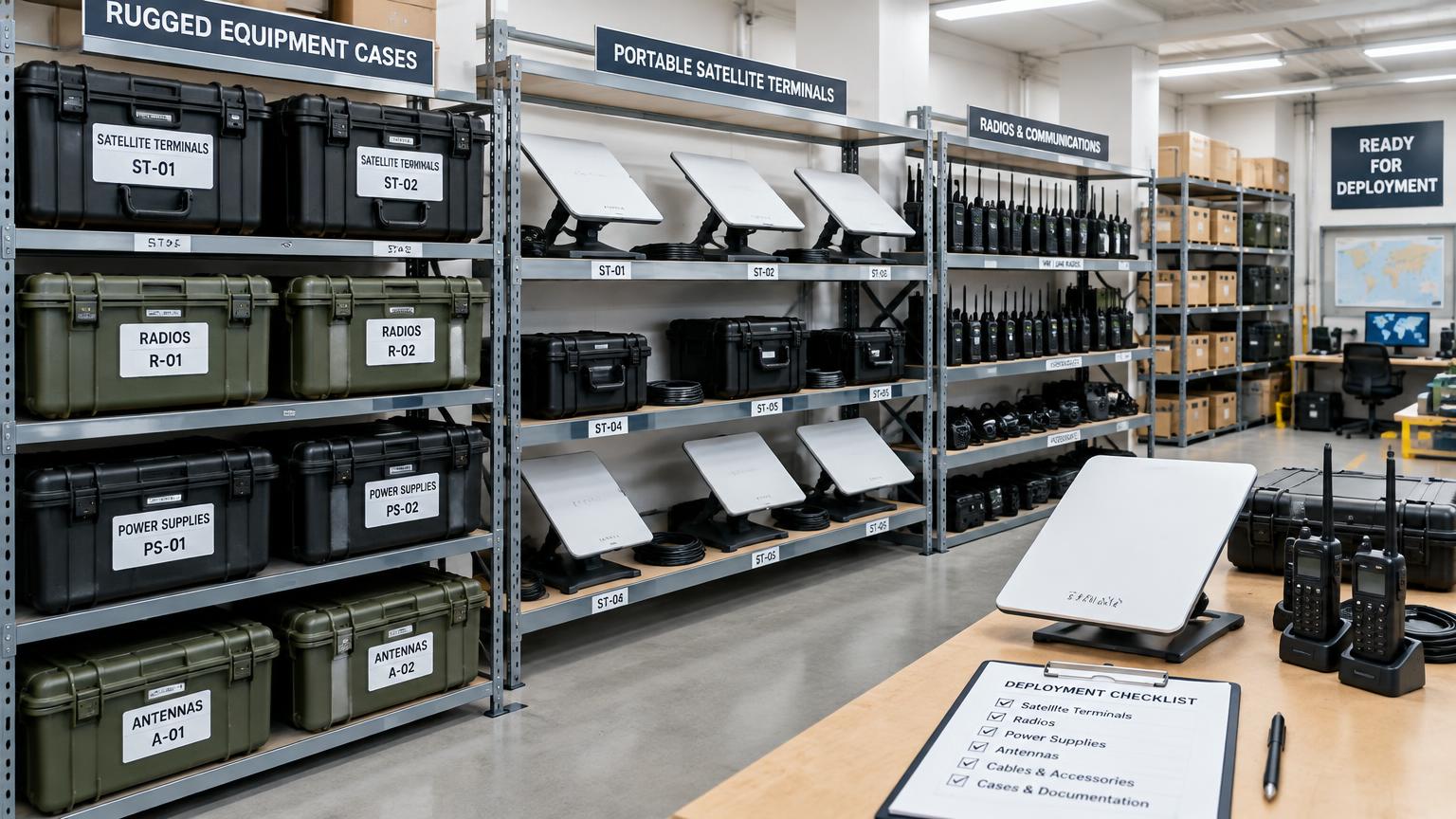
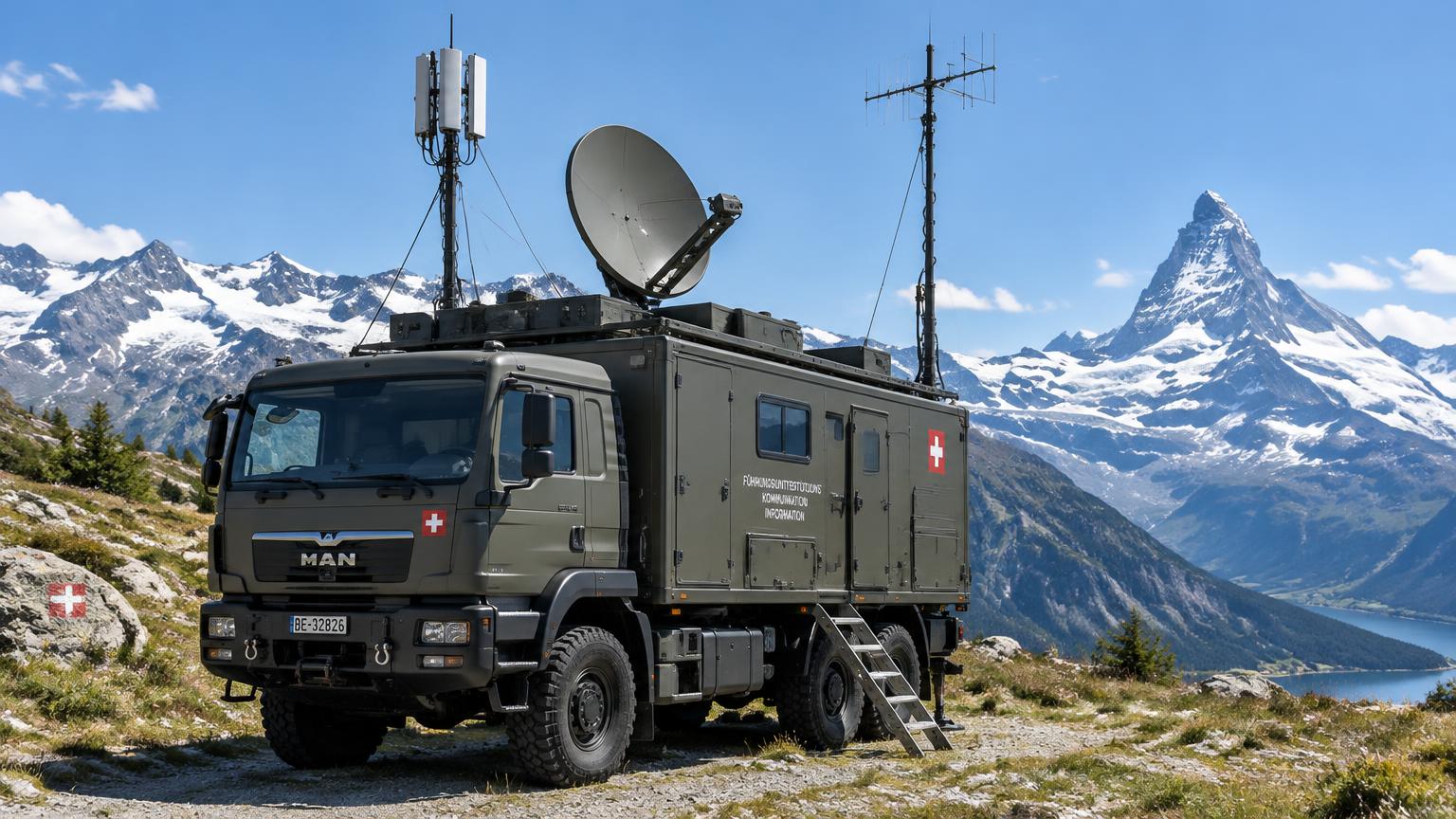
Hardware must match network resilience. Field operations involve extreme temperatures and vibrations, requiring military-grade standards (MIL-STD-810H). Portability is key; man-portable terminals allow small teams full capabilities, while vehicle-mounted systems serve as mobile command hubs.
Energy efficiency is paramount. Hybrid terminals feature advanced power management, supporting DC inputs and portable solar arrays. Low-power components and intelligent sleep modes maximize battery life for long missions. Modular design allows components to be upgraded as technology evolves, while "one-touch" deployment reduces the need for specialized technicians.
Antenna Technology and Signal Acquisition
Modern flat-panel antennas can track multiple satellites simultaneously, allowing for seamless handovers between LEO and GEO networks. These Electronically Steered Antennas (ESA) have no moving parts, significantly increasing reliability in vibrating environments like vehicles or aircraft.
Strategic Advantages in the Field
In disaster response, hybrid connectivity establishes immediate satellite links that scale as cellular and radio are restored. For security, it offers signal diversity; disrupting a multi-orbit hybrid ecosystem is significantly harder than jamming a single frequency, adding a layer of electronic protection.
In the humanitarian sector, hybrid hubs bridge disparate technologies used by different agencies. By merging radio traffic with satellite data, they create a common operational picture that improves safety and efficiency for all involved parties. This interoperability is key to modern multilateral coordination in complex crises.
Conclusion
Hybrid connectivity is the future of critical communications. A multi-layered approach ensures operations remain resilient and secure in any environment. As space and terrestrial integration matures, field teams will benefit from even more seamless and powerful connectivity that adapts to their surroundings.
LEVIN'S SWISSLOGISTICS International deploys comprehensive hybrid solutions. Our expertise ensures your team stays connected, regardless of location or conditions, providing the reliability needed to focus on your mission.