In an era of near-ubiquitous cellular networks, it's easy to forget that vast portions of the Earth remain digital vacuums. For professionals in mining, energy, or humanitarian aid, venturing beyond cell towers is routine. In these environments, a satellite phone is a critical safety lifeline.
Choosing the right device requires evaluating technical and environmental factors. A phone performing well in open deserts may struggle in dense jungles or polar latitudes. This guide provides a framework to select hardware that ensures your team remains connected in the most challenging conditions.
Defining Your Mission Profile
Before examining technical specs, define your mission parameters. Operating in extreme temperatures or dusty environments narrows your choices. Understanding your operational environment is the first step toward reliability.
Mobility and Portability
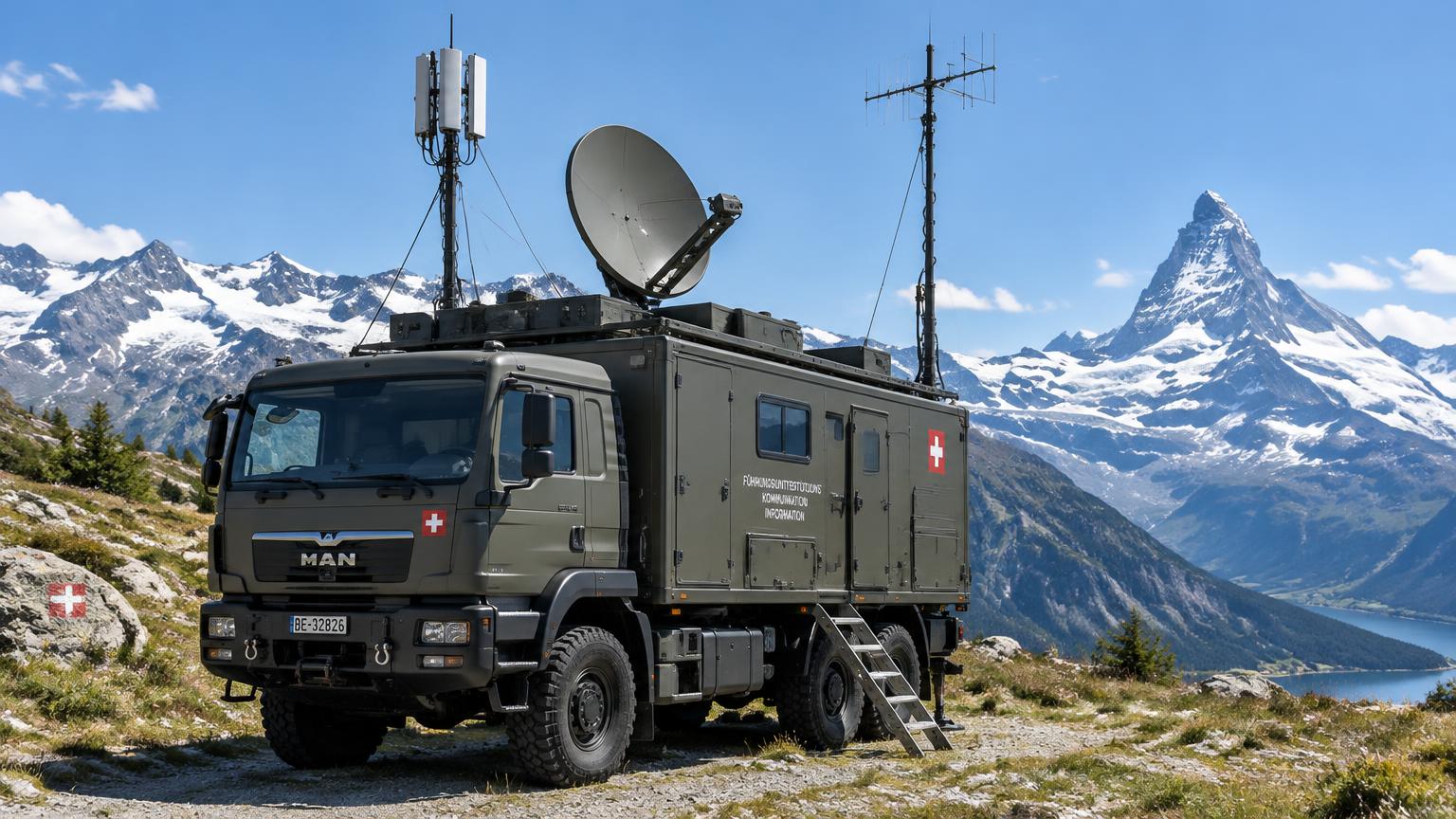
Are you stationary in a remote camp or moving through variable terrain? A mobile geologist requires a lightweight, handheld device with a robust signal lock. Conversely, a stationary hub might be better served by a fixed terminal with greater data throughput and multi-user support.
Criticality and Redundancy
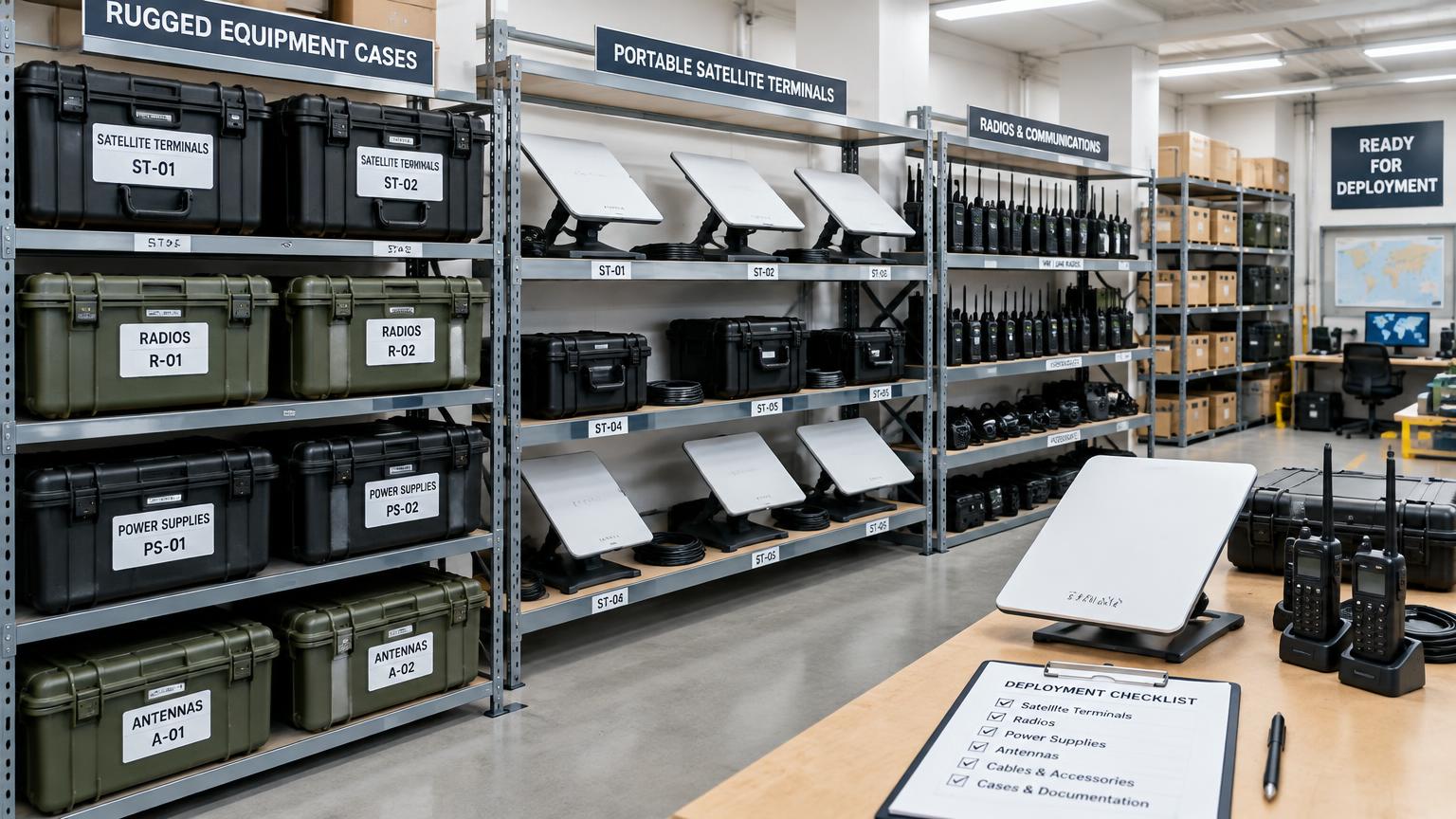
If your mission involves high-risk activities, redundancy—having multiple devices on different networks—is a necessary investment. This ensures that if one constellation is obstructed, you have a reliable backup, ensuring safety for all personnel.
The Network Backbone: LEO vs. GEO
The fundamental choice is the satellite network. Constellations are categorized into Low Earth Orbit (LEO) and Geostationary (GEO), each with distinct advantages for field performance.
Low Earth Orbit (LEO)
LEO satellites (like Iridium) orbit at 500-1,500 km, providing global coverage, including the poles. Their lower altitude reduces latency, making voice calls feel natural and ensuring connectivity in deep valleys where GEO signals might be blocked.
Geostationary (GEO)
GEO satellites are fixed 35,000 km above the equator. They provide consistent coverage over large areas but suffer from higher latency. Signal quality degrades toward the poles and requires an unobstructed view of the equator.
Hardware Durability and Ingress Protection
Field missions expose electronics to dust, moisture, and drops. Check the IP (Ingress Protection) rating: IP65 is dust-tight and water-jet resistant, while IP68 survives submersion. Military-grade certifications (MIL-STD-810G) assure testing against shocks and thermal cycling.
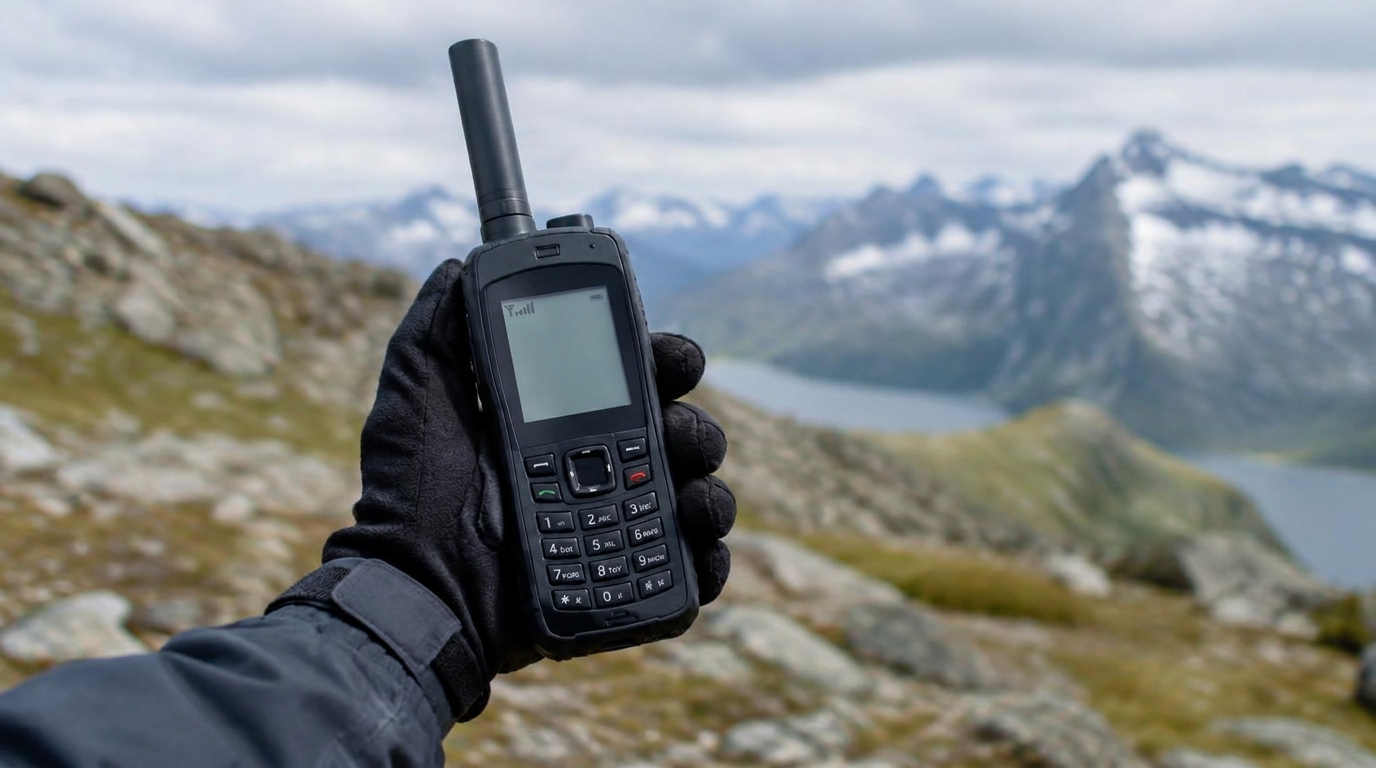
Ergonomics are equally vital. Buttons should be operable with gloves, and screens must be readable in bright glare. Choosing durable hardware reduces the risk of equipment failure during critical operational phases, ensuring mission continuity and personnel safety.
Beyond standard IP ratings, consider the chemical and UV resistance of the device's outer casing. In industrial settings, exposure to hydraulic fluids or intense solar radiation can degrade lower-quality plastics, leading to seal failure. Professional-grade phones are often constructed with impact-resistant polycarbonate blends to withstand the torsional stress of being carried in heavy tool bags or dropped on concrete surfaces during high-pressure operations.
Power Management and Battery Longevity
In remote areas, battery life is a critical safety factor. Prioritize devices with high-capacity batteries or swappable spares for long-duration missions. USB charging support allows using portable solar panels, simplifying logistics in the field.
Environmental factors also affect performance. Extreme cold rapidy depletes lithium-ion batteries. Look for devices designed for thermal resistance and carry them close to the body to maintain warmth during arctic or high-altitude operations.
Battery chemistry also dictates storage protocols for seasonal missions. Devices using advanced Lithium-Polymer cells may offer higher energy density but require specific discharge states for long-term storage to prevent capacity loss. Understanding the discharge rate of your specific model ensures that when a phone is pulled from an emergency kit after months of dormancy, it still retains enough charge to establish a connection.
Voice Quality and Data Capabilities
Handheld satellite phones are designed for voice, not web browsing. Data speeds are measured in kilobits per second, sufficient for GPS coordinates or text alerts but inadequate for multimedia. Understanding these limits prevents operational frustration.
Voice quality varies between networks. Some use aggressive compression that makes voices sound robotic. Test audio quality before deployment to ensure clarity for emergency instructions. Clear communication is essential for effective coordination in remote areas.
Furthermore, the integration of Bluetooth tethering in modern satellite handsets allows for a 'bring your own device' approach. This enables users to pair their smartphones with the satellite terminal for secure messaging, bridging the usability gap between specialized hardware and intuitive consumer interfaces.
Conclusion
Choosing a satellite phone is a strategic decision. By focusing on network reliability, durability, and power management, you ensure your team remains connected when all else fails. The right device is the foundation of safety and operational success in challenging environments.
At LEVIN'S SWISSLOGISTICS International, we provide the world's most reliable satellite hardware and service plans. Whether deploying a small team or a large industrial operation, we offer solutions that keep you connected, no matter how far off the grid you go.