In a crisis, communication is not just a support function; it is the backbone of the entire response. Without a clear, tested plan, organizations risk chaos, duplicated efforts, and critical delays. An effective emergency communications plan (ECP) ensures that the right information reaches the right people at the right time, regardless of the status of the local infrastructure.
This guide outlines a structured approach to building an ECP that is both resilient and adaptable. We will move beyond simple contact lists to look at technical redundancy, protocol design, and the human factors that determine success in high-pressure situations.
Step 1: Risk Assessment and Asset Inventory
The first step in planning is understanding what you are planning for. Conduct a thorough risk assessment to identify the most likely threats to your specific location and industry. Are you in a flood-prone area? A seismic zone? Or is your primary risk technical, such as a localized power grid failure or cyber-attack?
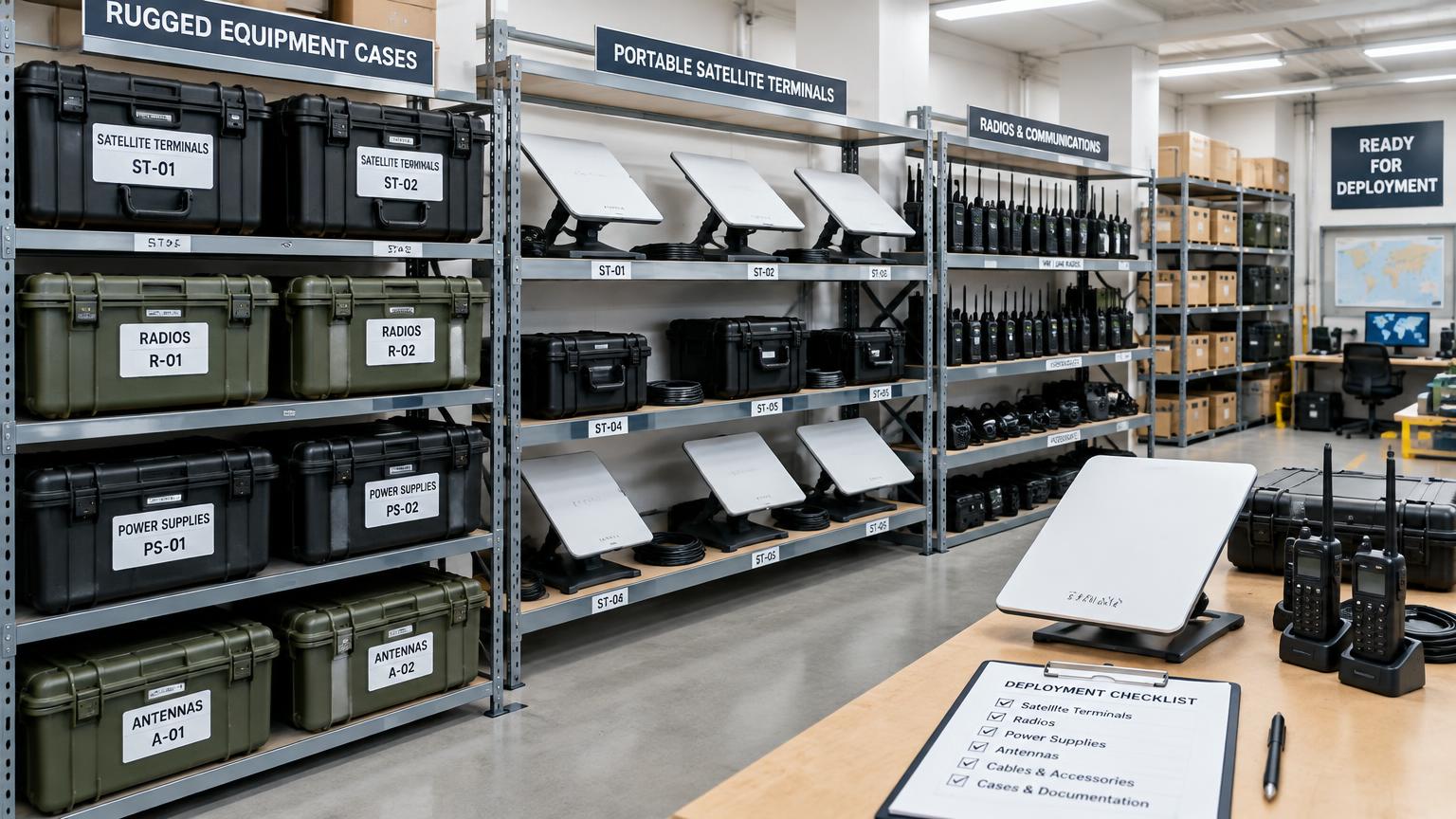
Once the risks are identified, inventory your current communication assets. This includes everything from landlines and mobile phones to two-way radios and existing satellite terminals. Note their technical specifications, battery life, and who currently has access to them.
Identifying Single Points of Failure
A critical part of the inventory is finding single points of failure. If all your communication relies on a single ISP or a single cellular provider, you have a vulnerability. Even having multiple providers might not be enough if they all use the same physical fiber trunk entering your building.
Mapping these physical and logical dependencies is essential. For instance, if your VoIP phone system requires both the internet and local power, you must account for both failing simultaneously.
Step 2: Defining Communication Hierarchies
In an emergency, information overload is as dangerous as information scarcity. Your plan must define who talks to whom. Establish a clear hierarchy for decision-making and reporting. This prevents the "everyone-calling-everyone" scenario that leads to confusion.
Identify "Key Communicators" for each department or site. These individuals are responsible for gathering status reports and relaying them upward to the central command node. Conversely, they are the primary recipients of instructions from leadership.
Step 3: Implementing a Redundancy Tiering Model
Resilience is built through layers. We recommend a three-tier model for communication connectivity: Primary, Secondary, and Emergency. Your primary tier is what you use every day (fiber/LTE). The secondary tier is an alternative ground-based path (a different carrier or microwave link).
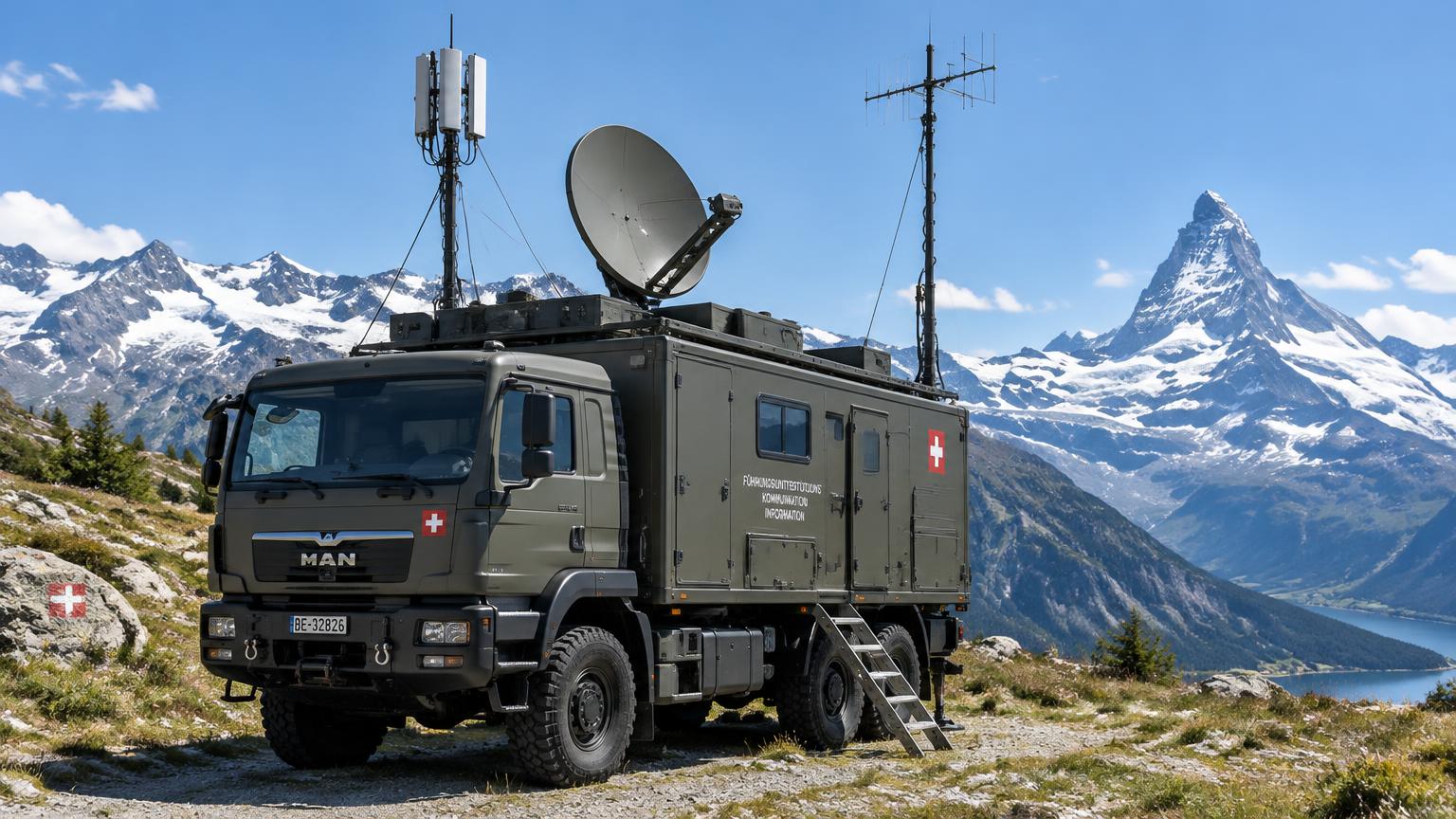
The emergency tier is the final safety net, typically satellite-based. This tier must be completely independent of local infrastructure. It should be tested and ready to go at all times, with its own dedicated power source.
Selecting the Right Emergency Tech
Not all satellite solutions are equal. For high-priority voice and text, a handheld satellite phone might suffice. For coordinating complex logistics or maintaining a field office, a high-speed LEO or GEO terminal with Wi-Fi capabilities is necessary.
Choose technology based on the "minimum viable data" needed to survive the crisis. Don't try to replicate your entire office environment; focus on the critical functions that keep people safe and operations running.
Step 4: Establishing Training and Drills Protocols
A plan that lives only in a PDF is not a plan; it is a theory. Training is what transforms a document into a capability. Ensure that every person identified in your hierarchy knows how to use the emergency equipment. This sounds simple, but in a high-stress environment, basic tasks like pointing a satellite dish or changing a radio frequency can become difficult.
Conduct regular "Blackout Drills" where you intentionally shut down primary communication channels. This forces teams to transition to the secondary and emergency tiers, revealing gaps in the plan that aren't visible on paper.
Step 5: Maintenance and Testing Lifecycle
Technology degrades and personnel change. Your ECP must include a maintenance schedule. Batteries should be checked and cycled, firmware updated, and satellite airtime subscriptions verified monthly. There is nothing more devastating than reaching for an emergency phone in a crisis only to find the battery dead or the SIM card expired.
Review the plan annually or after any major organizational change. New office locations, new departments, or changes in leadership require an immediate update to the communication protocols.
Conclusion
Building an emergency communications plan is an investment in your organization's future. While we all hope these systems are never needed, the cost of being unprepared is far higher than the cost of implementation. Resilience is not a project; it is an ongoing commitment to the safety and continuity of your mission.
At LEVIN'S SWISSLOGISTICS International, we provide the tools and expertise to make your plan a reality. From risk assessment consulting to the deployment of resilient satellite hardware, we help organizations worldwide build communication systems that never fail when it matters most.