The period immediately following a natural disaster—often referred to as the "golden 72 hours"—is the most critical window for life-saving interventions. During this time, the environment is characterized by extreme uncertainty, physical danger, and the total or partial collapse of public infrastructure. In this chaotic landscape, communication is the single most important tool for survival.
However, not all communication is of equal importance. Attempting to restore "business as usual" too early can waste precious resources. Effective response requires a strict prioritization framework that focuses on high-impact actions. This article breaks down the communication priorities hour-by-hour and day-by-day during the initial 72-hour window.
Phase 1: The First 6 Hours - Immediate Assessment
In the first six hours, the priority is situational awareness. Responders need to know the scale of the damage, the location of survivors, and the status of transit routes. During this phase, bandwidth is usually extremely limited. Communication should be restricted to short, bursty data: GPS coordinates, status codes, and voice-only reports.
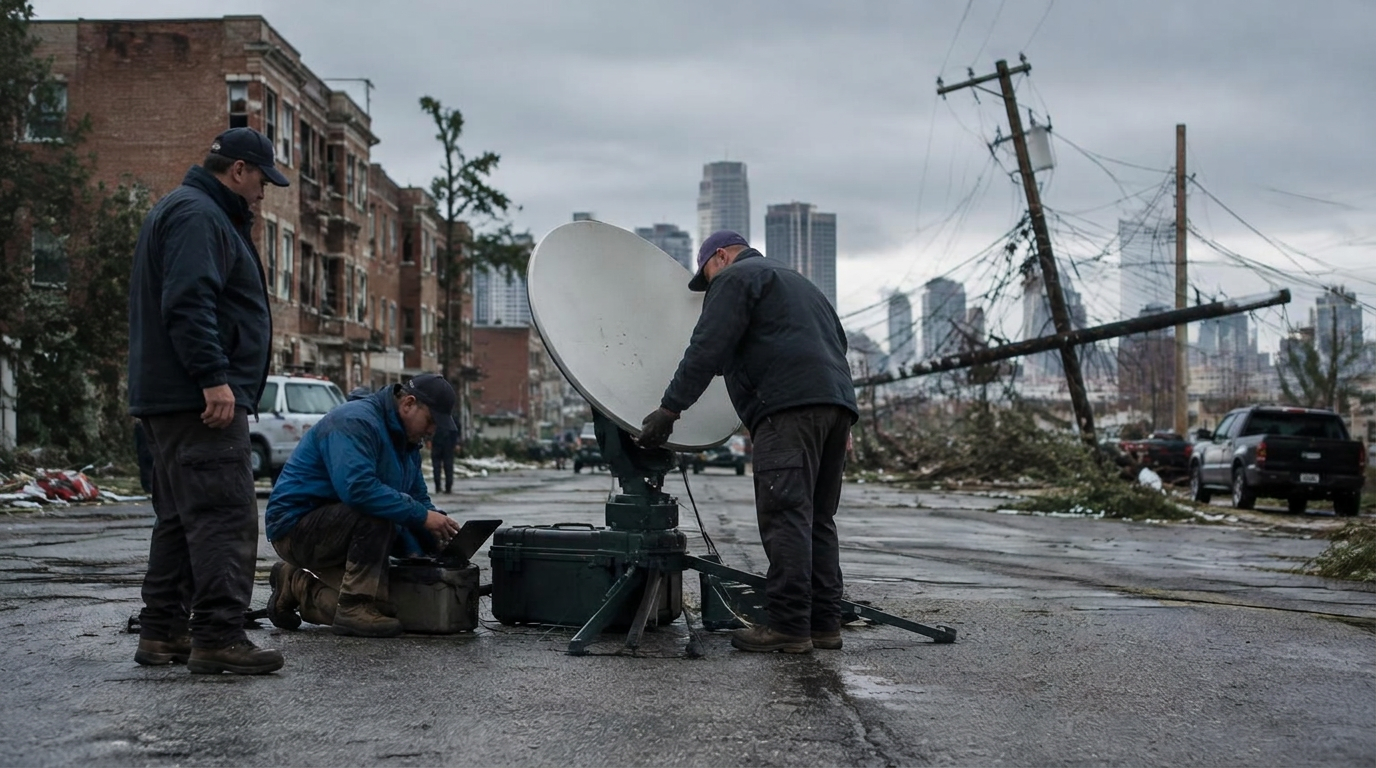
Teams arriving on the scene must immediately establish a "connectivity beachhead." This is typically a portable, battery-operated satellite terminal that provides the first link back to the outside world. The goal is not to browse the web, but to send the "Flash Report"—the initial assessment that will dictate the flow of resources for the next three days.
Protocol for Zero-Bandwidth Environments
When networks are completely down, teams should rely on "store-and-forward" protocols. Data is collected locally on ruggedized devices and automatically transmitted as soon as a satellite link is established. This ensures that no data is lost during the intermittent periods when a terminal might be moving or temporarily obstructed.
Standardized reporting templates are vital here. Using pre-defined codes (e.g., "Code Green" for stable, "Code Red" for immediate threat) minimizes the data load and prevents ambiguity during high-stress voice transmissions.
Phase 2: Hours 6 to 24 - Establishing the Command Hub
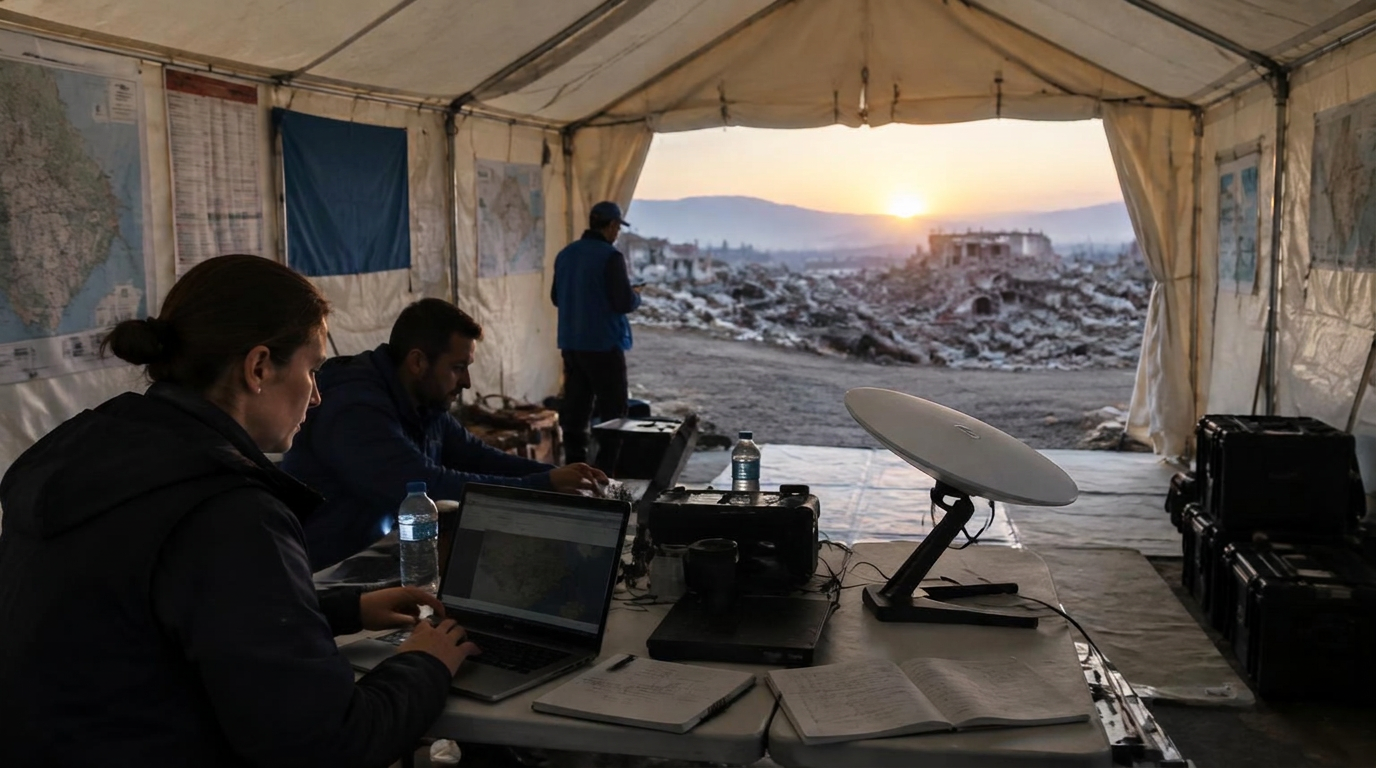
Once the initial assessment is complete, the focus shifts to establishing a stable command-and-control (C2) node. By hour 12, a field operations center should be functional. This requires more robust connectivity than a handheld device can provide. High-speed satellite terminals (such as LEO-based systems) are deployed to support multiple users.
The priority during this phase is "Inter-Agency Coordination." Different teams—medical, search and rescue, logistics, and government—must be able to talk to each other. A common mistake is having each agency operate on its own separate network, creating silos that lead to inefficient resource allocation.
Phase 3: Hours 24 to 48 - Supply Chain and Logistics Sync
As the rescue phase stabilizes, the "logistics tail" begins to arrive. Food, water, medicine, and personnel are moving toward the disaster zone. Communication priorities now shift to tracking these assets. Real-time visibility into the supply chain is essential to prevent bottlenecks at airports, ports, or road junctions.
Satellite-tracked logistics ensure that supplies are not sent to areas where they cannot be stored or distributed. This is also the time to establish public information channels—providing survivors with updates on where to find help, which helps reduce the load on emergency voice channels.
Tracking Mobile Assets
IoT (Internet of Things) devices play a major role in this phase. Sensors on fuel trucks or medical crates can transmit their location and condition (e.g., temperature) via satellite. This automated tracking reduces the need for human personnel to constantly report status via voice, freeing them for higher-value tasks.
Effective asset tracking requires a unified dashboard where decision-makers can see the entire theater of operations in real-time, integrating data from ground teams, vehicles, and aerial drones.
Phase 4: Hours 48 to 72 - Humanitarian Coordination
By the third day, the operation is often large and complex, involving international NGOs and volunteer groups. The communication priority becomes the management of the "Humanitarian Cluster." Connectivity must be extended to help-centers and temporary shelters.
This is also the period where the emotional and psychological state of the survivors becomes a priority. Providing "Connectivity as Aid"—allowing survivors to contact family members—can significantly reduce panic and improve the overall security environment on the ground.
Conclusion: The Transition to Recovery
As the first 72 hours come to a close, the focus begins to shift from acute emergency response to long-term recovery. The communication infrastructure established during the crisis now serves as the foundation for the reconstruction effort. The transition should be seamless, with temporary satellite links eventually being replaced or supplemented by permanent terrestrial repairs.
The lessons learned during these first three days are invaluable. Every organization should conduct a post-action review of their communication performance, identifying where protocols worked and where technical bottlenecks occurred to better prepare for the next event.
Conclusion
In conclusion, surviving the first 72 hours of a disaster depends on the ability to communicate under pressure. By prioritizing the right information at the right time and having the resilient hardware to deliver it, organizations can move from chaos to coordinated action. The equipment you choose today will define your success during those critical three days.
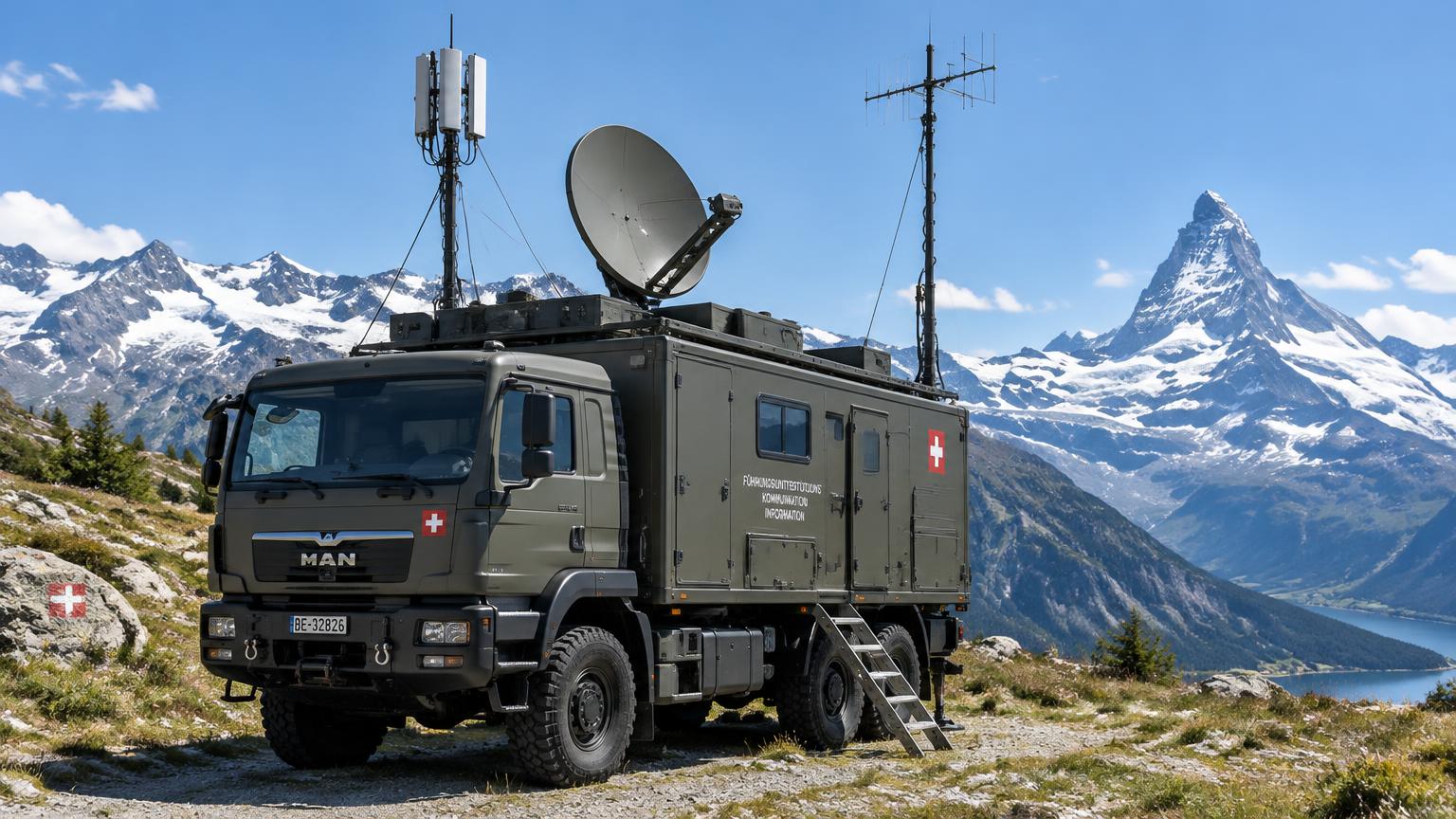
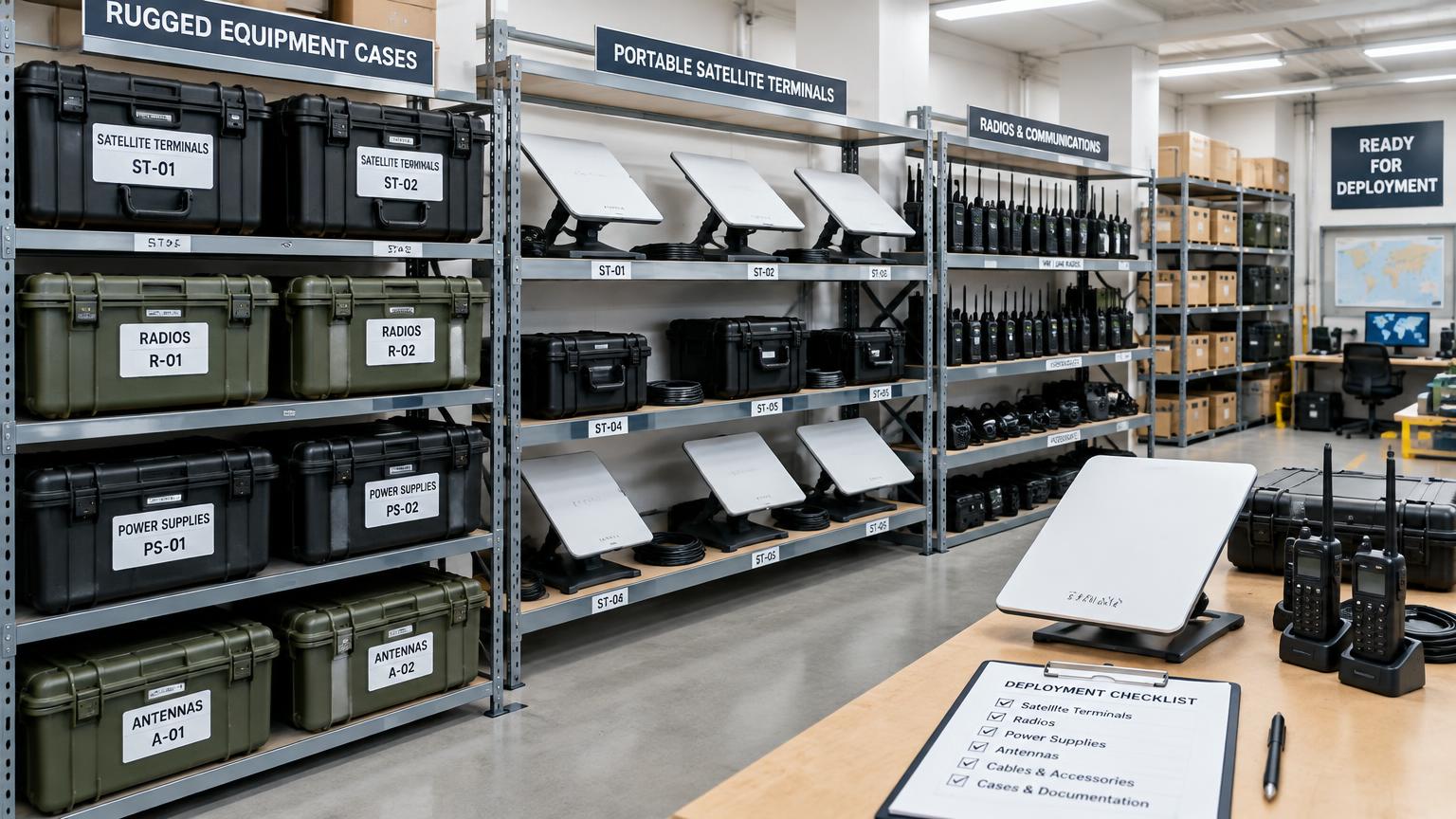
At LEVIN'S SWISSLOGISTICS International, we understand the urgency of the "Golden 72." Our rapid-deployment satellite kits and prioritized network access are specifically designed to meet the evolving needs of responders from the first minute to the transition to recovery. We don't just provide hardware; we provide the lifeline that keeps your mission moving forward.